80/100
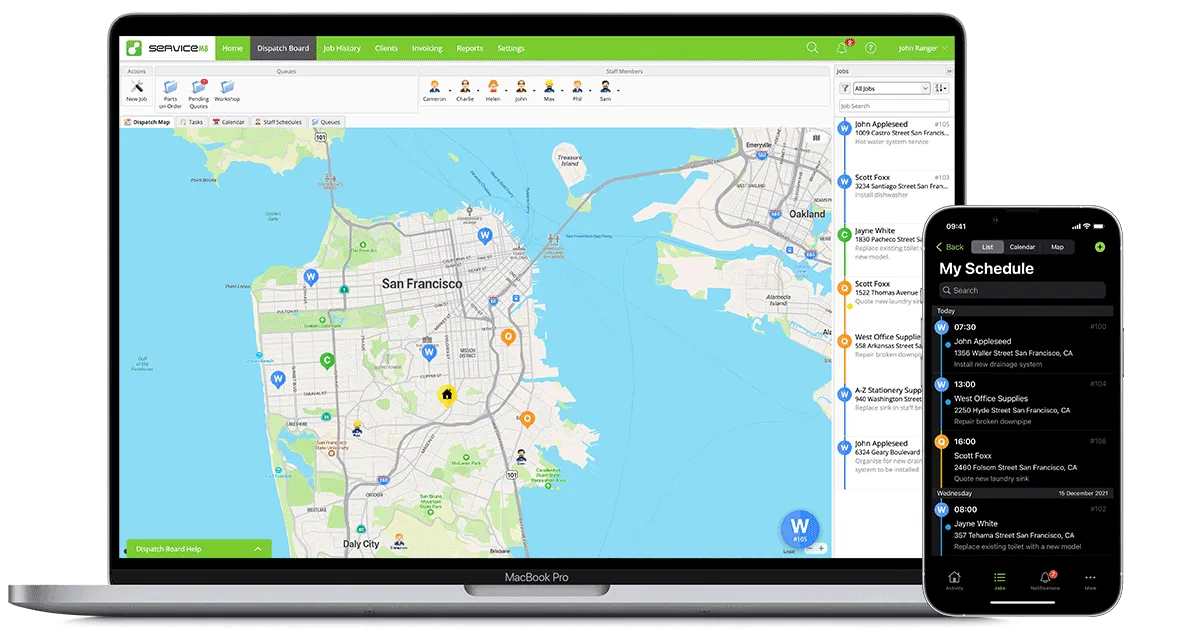
ServiceM8
Lean field-service teams that want affordable job management
Starting price: Free plan; paid from $29/month
Home / HVAC Companies / ServiceM8 vs Housecall Pro
Side-by-side comparison
Use this comparison to narrow a shortlist before booking demos. The score is a directional editorial signal; the buying decision should come from testing your own workflow and confirming current vendor pricing.
80/100
Lean field-service teams that want affordable job management
Starting price: Free plan; paid from $29/month
84/100
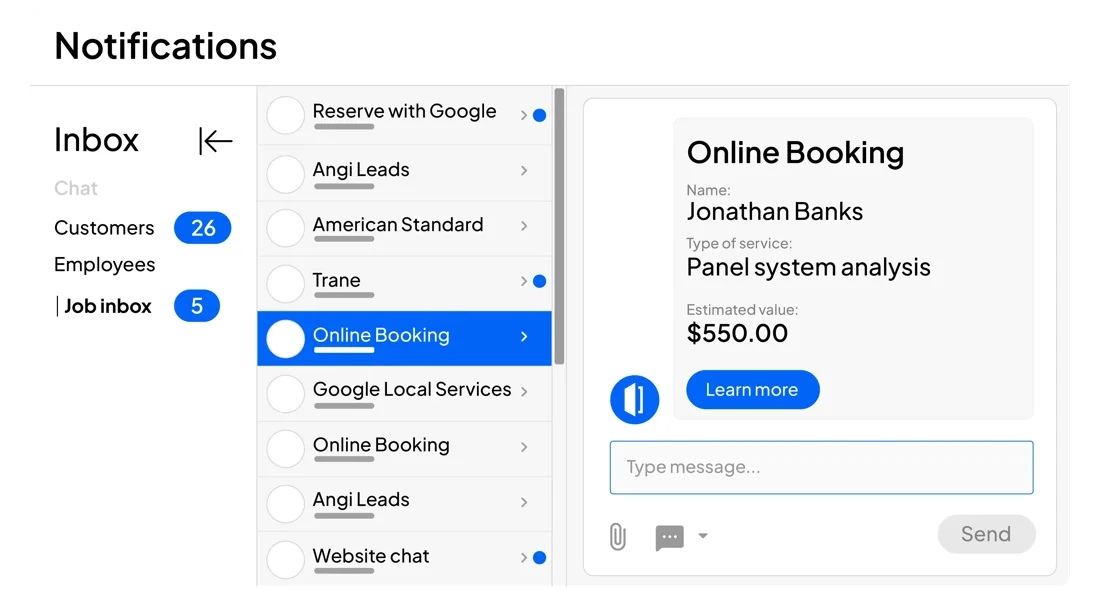
Small and midsize home-service teams
Starting price: From $59/month
| Question | ServiceM8 | Housecall Pro |
|---|---|---|
| Best fit | Lean field-service teams that want affordable job management | Small and midsize home-service teams |
| Pricing signal | Free plan; paid from $29/month | From $59/month |
| Verify before buying | July 22, 2026 | July 22, 2026 |
| Strengths to test | Free and paid plans are published with clear job-credit limits; Unlimited users on paid plans; Scheduling, quoting, invoicing, SMS, and mobile workflows are core features | Published plan path starts with one-user Basic pricing; Online booking, scheduling, dispatch, estimates, invoices, and payments; Free trial is published for teams that want to test workflows |
| Watch-outs | Plan choice depends on monthly job volume; HVAC contractors needing advanced pricebooks or enterprise reporting may outgrow it | Advanced workflows and extra users can move the business into higher plans; HVAC teams should confirm pricebook, inventory, and technician workflow needs |
Choose ServiceM8 if its best-fit workflow matches your current bottleneck more closely. Choose Housecall Pro if its pricing model, setup effort, or operating style feels easier for your team to adopt. If both look close, run the same demo script in each product and compare the total annual cost.
Established HVAC contractors with dispatch and reporting complexity
Seven practical questions to answer before you book a software demo.
A practical way to calculate plan upgrades, fees, add-ons, and migration time.
Plan a low-risk move from an old system without losing data or bookings.